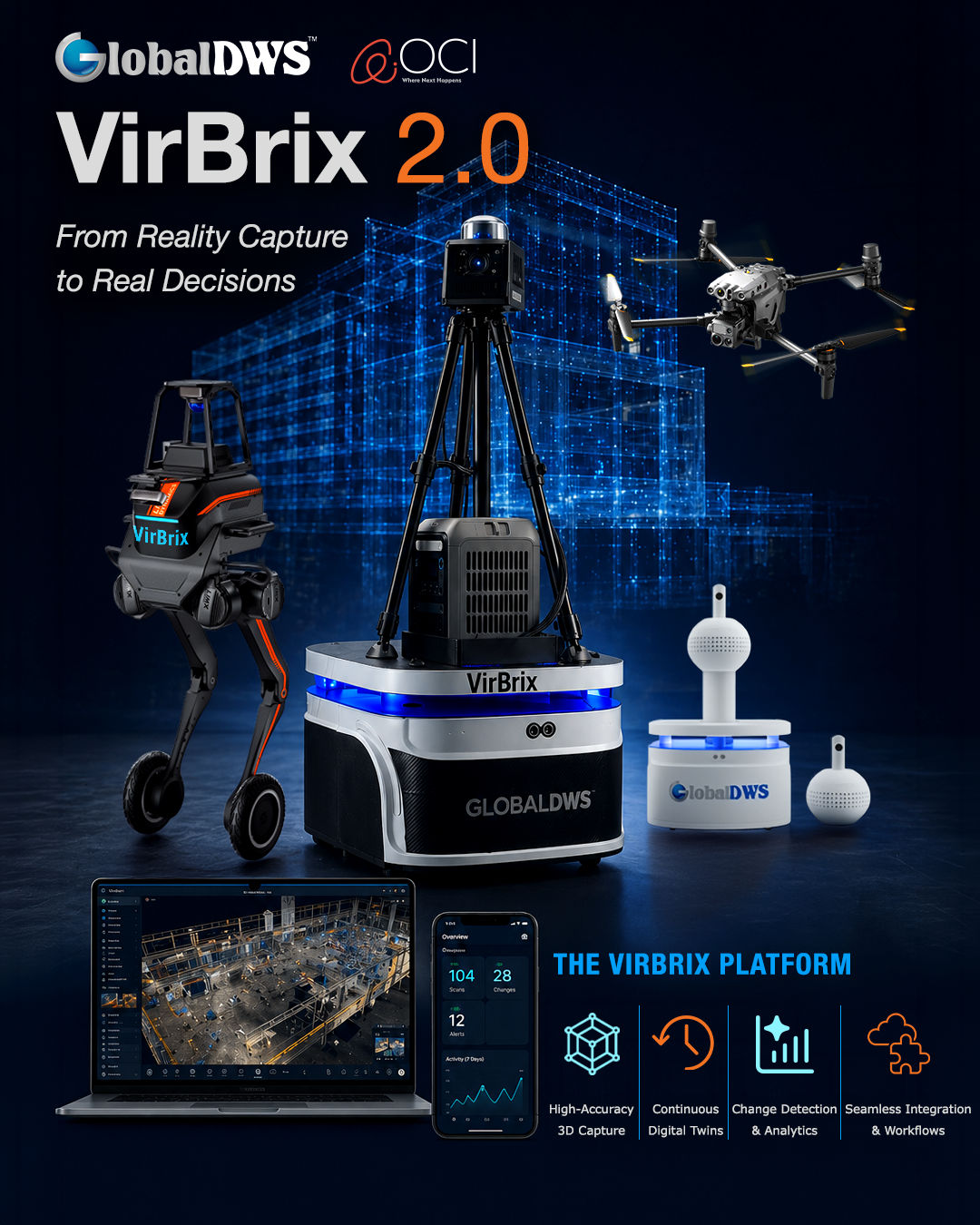
Brief
Professionalize VirBrix end to end so the product could support active pilots, internal alignment, and a more credible enterprise story across hardware, software, and demos.
Context
Role: Creative Design Lead
Organization: GlobalDWS
Product: VirBrix 2.0 / 3D Fusion
Scope: Product UX, UI systems, industrial direction, design governance
Product Context & Challenge
VirBrix was positioned as a flagship robotics and digital-twin platform, but the design maturity had not caught up to the ambition of the product. Interfaces, flows, and physical presentation were evolving in parallel without one strong design center of gravity.
Friction
- Fragmented design sources and feedback loops
- Inconsistent UX across web, controller, and robot-adjacent interfaces
- Prototype-level industrial presentation
- Growing pressure from live pilots and executive reviews
Design Goal
Make VirBrix feel like one coherent product, not a stack of disconnected technical surfaces. That meant improving usability, aligning visuals, and establishing a design system teams could actually build from.
Design Ownership
I acted as the single design authority across product, interface, and brand expression. The work was not about isolated screens. It was about defining how VirBrix should look, feel, and behave as a commercial product.
Product & UX
- Mental models, workflows, and interaction patterns
- UI for 3D Fusion and supporting interfaces
- Error handling, states, and hierarchy for technical data
System & Brand
- Figma standards, governance, and source-of-truth structure
- Industrial aesthetics for a more enterprise-grade robot presence
- Visual coherence between hardware, UI, and client-facing materials
Source of Truth
One of the biggest operational shifts was moving design work out of scattered screenshots, slides, and chat threads and back into a structured Figma system.
What Changed
- Centralized VirBrix designs into one structured project
- Defined naming, page ownership, and component conventions
- Required design feedback to live in Figma instead of chat
- Improved traceability between approved designs and built output
This governance work reduced ambiguity in handoff and made it much easier to catch mismatches before they became expensive implementation drift.
Designing 3D Fusion
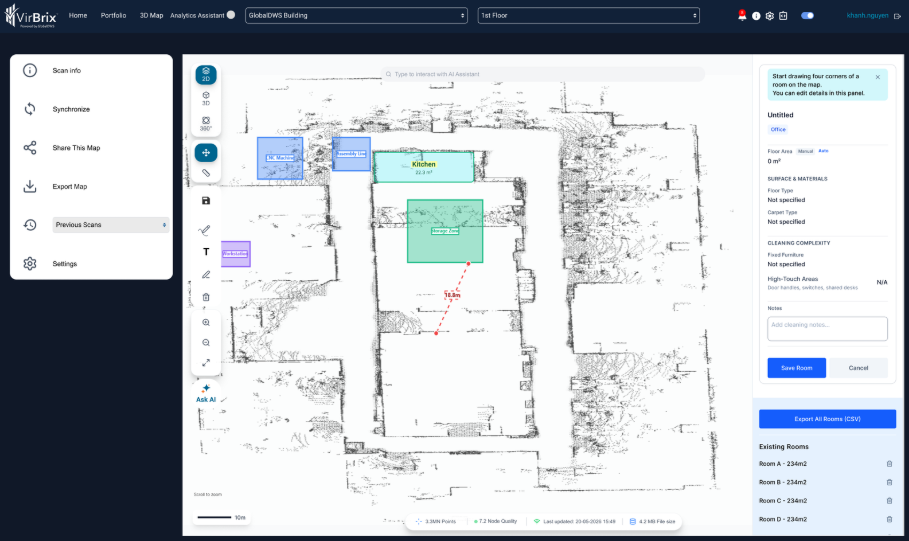
The core product challenge was to make dense spatial and operational data legible for real workflows. The design had to work for internal teams, client demos, and live deployment scenarios without overwhelming non-technical users.
Product Principles
Make technical complexity readable
My UX approach prioritized clarity over density. I separated automatic and manual data where it protected integrity, used progressive disclosure to avoid overloading users, and designed around workflows observed during real scans instead of idealized product diagrams.
Designed Across
- 2D and 3D map viewers
- Room selection and editing flows
- Attribute management and data states
Why It Mattered
- Better readability for dense operational interfaces
- Stronger demo confidence for clients and executives
- More coherent behavior across product surfaces
From Prototype to Product
My role also extended beyond the screen. VirBrix needed a more deliberate physical presence, especially as it moved into executive reviews and client-facing environments.
I developed visual direction for a more polished robot presentation, including the black skin and branded vinyl approach.
I worked to align hardware, UI, and product storytelling so the system felt commercial rather than experimental.
I consistently flagged that screenshots alone do not validate UX quality, pushing reviews toward interaction, state changes, and real post-implementation behavior.
Impact & Reflection
The most valuable outcome was not one screen or one workflow. It was creating the design maturity needed for a complex robotics product to scale its story internally and externally.
Organizational
Established design discipline and reduced fragmentation through a clearer source of truth.
Product
Elevated the digital twin interface and physical product expression into a more cohesive experience.
Strategic
Strengthened VirBrix as a credible flagship platform for enterprise and institutional audiences.
The real design challenge was not just making advanced technology look polished. It was creating the system, language, and UX discipline that helped a robotics platform behave like a product people could actually trust.
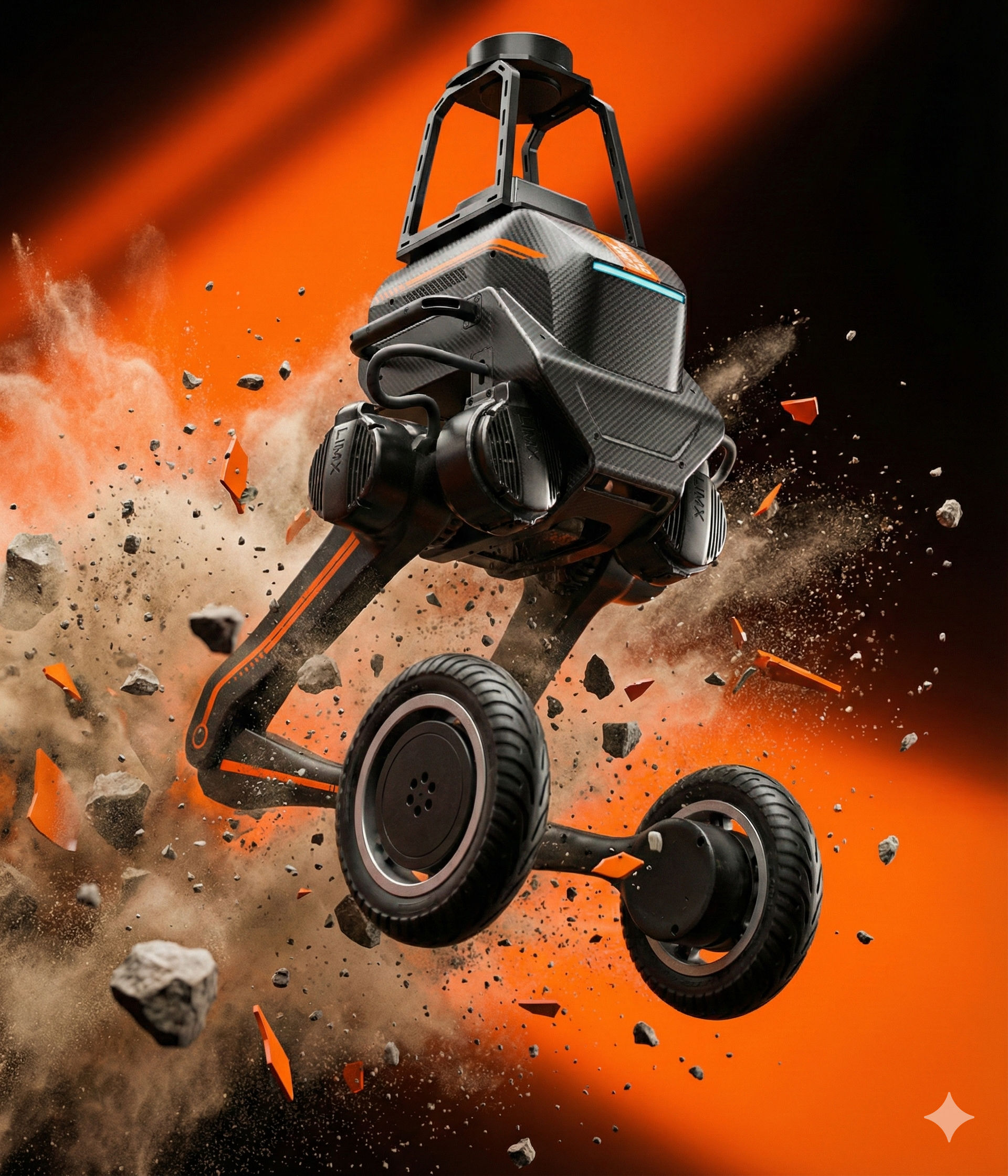
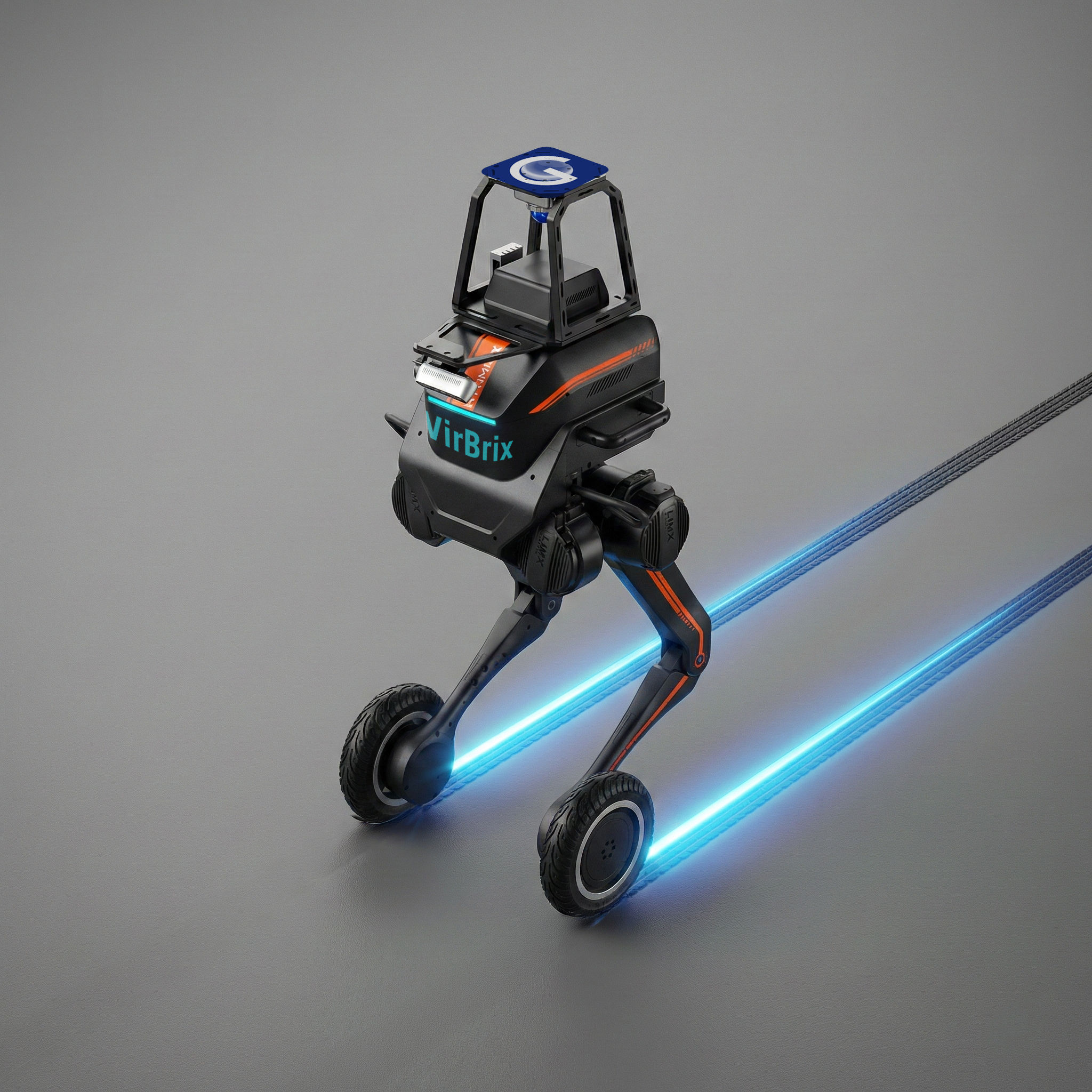
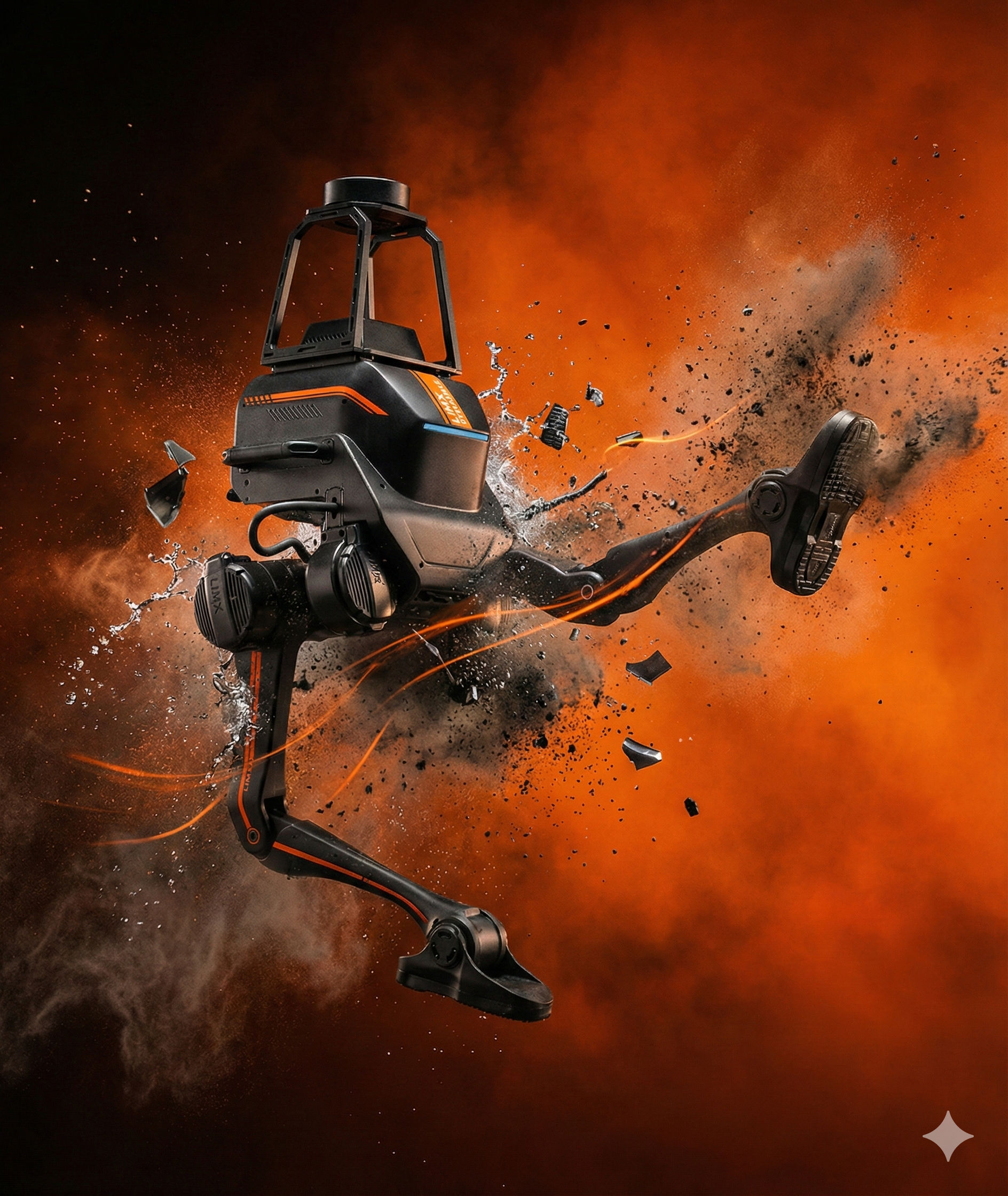
Alongside product and UX leadership, I also created AI-assisted marketing visuals for the actual VirBrix product to help communicate its robotics and scanning capabilities in a more cinematic, client-facing way.